Why Easley’s terrain changes the job
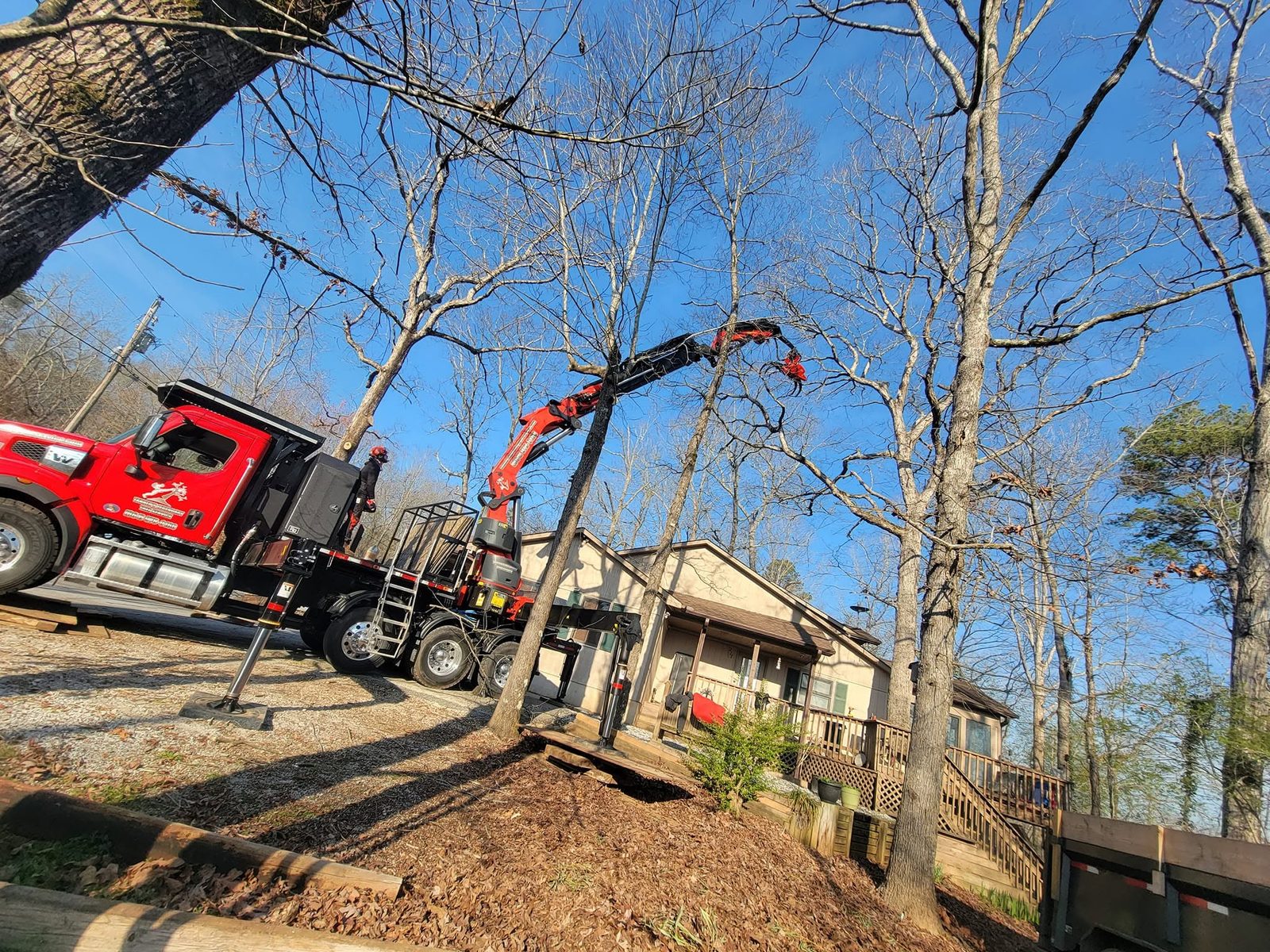
Tree removal in Easley, Greenville, and the surrounding Upstate is not a one-size-fits-all task. The region’s mix of established suburban neighborhoods and older rural properties means crews often work with mature hardwoods that have grown close to structures, fences, or power lines. In Pickens County, the transition from the relatively flat areas near the Reedy River to the steeper, wooded lots further inland creates distinct challenges. A tree that is easy to remove on a flat lot in downtown Greenville may require a crane or complex rigging on a sloped property in Easley. This topography, combined with the dense canopy typical of South Carolina’s Piedmont, means that safety and precision are the primary drivers of cost and execution time, not just the size of the tree. The soil composition also plays a role; sandy loam in lower elevations drains quickly but can shift during heavy rains, while the heavier clay in higher areas holds water, affecting root stability. Crews must assess these conditions to determine if the tree is leaning due to gravity or soil saturation, which changes the dismantling strategy significantly.
Furthermore, the age of homes in Easley varies widely. Older properties often feature larger, older trees that have grown alongside the house over decades. These trees have extensive root systems that intertwine with foundations and underground utilities. Removing them requires a careful excavation plan to avoid damaging water lines or gas pipes. In contrast, newer developments near the Greenville-Easley border may have smaller, younger trees, but they are often planted in tight clusters. This proximity means that even a small tree removal can become complex if branches overhang neighboring roofs or fences. Understanding these local housing patterns is essential for accurate planning and safety.
What drives the price of tree removal
Most tree removal jobs in this region fall between $300 and $2,000. However, several factors can push a project toward the higher end or beyond $3,000. The most significant variable is access. If a tree is surrounded by tight landscaping, a small lot, or a steep slope, crews may need specialized equipment like cranes or aerial lifts, which increases labor and mobilization costs. The condition of the tree also matters; a dead or leaning tree requires more careful dismantling than a healthy one. Finally, the disposal method plays a role. Stump grinding, chipping, and hauling away debris are standard, but if a property has limited space for a chipper or requires specific debris removal, the final bill will reflect that extra labor. For a detailed breakdown of these variables, see our tree removal cost guide.
| Scope | Typical Price Range |
|---|---|
| Small tree (under 30 ft) on flat ground | $300 – $700 |
| Medium tree (30–60 ft) with standard access | $700 – $1,500 |
| Large tree (60–100 ft) or tight lot access | $1,500 – $2,500 |
| Hazardous, dead, or crane-assisted removal | $2,500 – $3,000+ |
It is important to note that these are typical ranges for the Upstate. A tree that appears medium-sized but is located on a steep, rocky slope in Pickens County may cost more than a larger tree on a flat lawn in Greenville. The difficulty of lifting heavy limbs over obstacles, such as a two-story home or a swimming pool, adds labor hours that directly impact the final price. Additionally, if the tree is a species known for heavy limbs, such as a large oak or maple, the dismantling process is slower and requires more precision to prevent damage to the property below. Crews often spend extra time rigging ropes to control the descent of each section, which adds to the labor cost but protects your home and landscaping.
Permits and local regulations
Before any major tree work begins, it is wise to check local ordinances. In Greenville and Pickens County, certain trees, particularly those in designated conservation areas or along riverfronts, may require a permit before removal. The City of Greenville and Pickens County both have specific rules regarding vegetation management near waterways and in historic districts. Ignoring these rules can lead to fines or required replanting. Our team can help identify if your property falls under specific municipal or county guidelines, ensuring a smooth process. For a deeper dive into the regulatory landscape, review our SC tree removal permit guide.
Specifically, properties near the Reedy River or other designated stormwater outfalls often have restrictions on canopy cover to prevent erosion and maintain water quality. If your tree is located within a setback area from the riverbank, you may need to submit a vegetation management plan. This plan typically includes a description of the tree, the reason for removal, and a proposal for replanting with native species. The Environmental Protection Agency provides general guidance on stormwater management, which often informs local county regulations. Understanding these rules before starting work can save time and money, as correcting a mistake after the fact is more expensive than planning ahead. Additionally, some homeowners associations in Easley have their own covenants regarding tree removal, so it is always wise to check with your HOA if applicable.
Safety near power lines and structures
Trees growing near utility lines are a common concern in the Upstate. Duke Energy maintains strict standards for vegetation management to prevent outages and fires. If a tree is within the clearance zone of a power line, it is often safer and more cost-effective to have the utility company handle the removal, or to ensure your crew is fully insured and experienced in working around high-voltage lines. The Duke Energy website provides resources on tree clearance standards. Additionally, the National Weather Service tracks storm patterns that can weaken trees, making proactive removal a smart investment before severe weather hits. Always ask if a crew is licensed and insured to work near live wires.
In Pickens County, the risk of storm damage is real. The area has experienced numerous federal disaster declarations due to severe weather events over the years. 2005-2026 of records show a pattern of storms that can snap large branches or uproot trees, especially if the soil is saturated. The National Weather Service data indicates that wind speeds in the Upstate can reach dangerous levels during summer thunderstorms. Trees that are already stressed, diseased, or leaning are more likely to fail during these events. By removing hazardous trees before a storm season, you can avoid the emergency costs and potential damage to your home. Furthermore, working near structures requires careful planning. Crews must use protective padding on roofs and siding to prevent scratches or dents. They should also use rigging techniques to lower limbs gently rather than dropping them, which is crucial in tight spaces.
Choosing the right crew for your property
When selecting a tree service in Easley or Greenville, look for a team that understands local soil conditions and tree species. The Clemson Cooperative Extension offers valuable insights into native species and their growth habits, which can help you identify potential hazards early. A reputable crew will provide a clear, itemized estimate after an on-site inspection, rather than guessing from a photo. They should also explain the removal method, including how debris will be handled and what happens to the stump. For local insights and recent projects, check our Easley-specific removal page to see how we handle the unique challenges of this community.
Experience with local species is key. For example, Southern Live Oaks are iconic in the Upstate but have dense canopies and deep root systems that can be challenging to remove. Crews familiar with this species know how to approach the tree to minimize damage to the surrounding landscape. Similarly, Red Maples have brittle wood that can splinter if cut incorrectly, requiring careful technique. A knowledgeable crew will identify these characteristics and adjust their method accordingly. They should also be able to answer questions about the long-term impact of tree removal on your property, such as how it might affect drainage or shade. Choosing a crew that communicates clearly and demonstrates expertise will ensure a smooth and safe process for your home.