Why Greenville trees fail differently
Greenville County sits in a corridor where humidity meets high wind speeds, creating a unique stress test for vegetation. Unlike flatter parts of the state, the terrain here often features steep banks along the Reedy and Falls rivers, where trees grow with one-sided root systems to anchor against erosion. This anatomical difference means that when a storm hits, these trees don’t just break; they often tip or split at the base. The National Weather Service tracks these regional wind patterns, which explain why emergency call-outs spike after specific seasonal fronts rather than just random rain. Understanding this local geography is the first step in pricing a job correctly, as a tree leaning over a riverbank requires different rigging than one standing in a flat yard. The Upstate has seen 23 federal disaster declarations over the span of 2003-2026, a history that underscores why structural integrity matters more here than in drier, flatter regions of the state.
Homeowners in established neighborhoods like Five Rivers or West Greenville often find that their properties were built before modern zoning codes fully accounted for mature canopy coverage. This results in a higher density of large oaks and pines that have been growing in close proximity to brick and siding for decades. When these trees die or suffer from limb failure, the stakes are higher because the structural load is already compromised. We often see trees that appear healthy from the ground but have significant internal decay due to the wet-dry cycles typical of the Piedmont region. This hidden decay makes accurate pricing difficult without a physical inspection, as the crew must account for potential sudden drops or the need for extra safety spotters on uneven ground.
The real cost of cutting it down
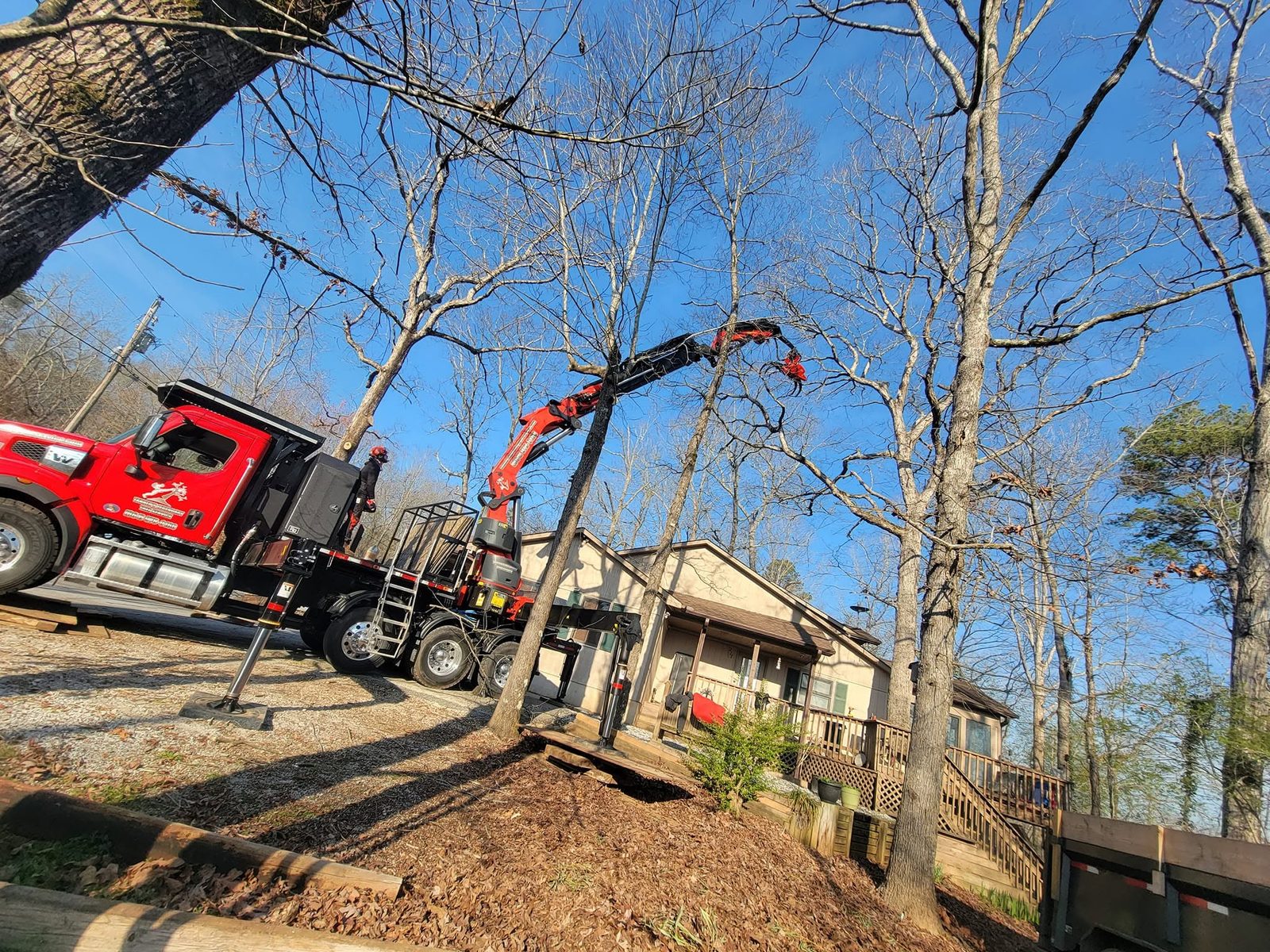
Pricing in this market is driven by access and height, not just diameter. A standard removal in a typical Greenville residential lot, where a crane or bucket truck can reach the canopy, usually lands in the middle of the typical band. However, if the tree is near a roofline or tangled with power lines, the complexity multiplier kicks in. The table below breaks down typical scopes based on our experience serving the county from Easley. Note that these are typical Upstate SC ranges; your final number depends on the specific hazards present on your property.
| Scope Type | Typical Price Range | Key Factor |
|---|---|---|
| Small tree removal (< 30 ft) | $300 – $600 | Stump grinding often separate |
| Mature tree (30–60 ft) | $600 – $1,200 | Canopy density & access |
| Large tree (60–80 ft) | $1,200 – $2,000 | Crane or bucket truck needed |
| Hazardous/Complex | $2,000 – $3,000+ | Proximity to roof/wires |
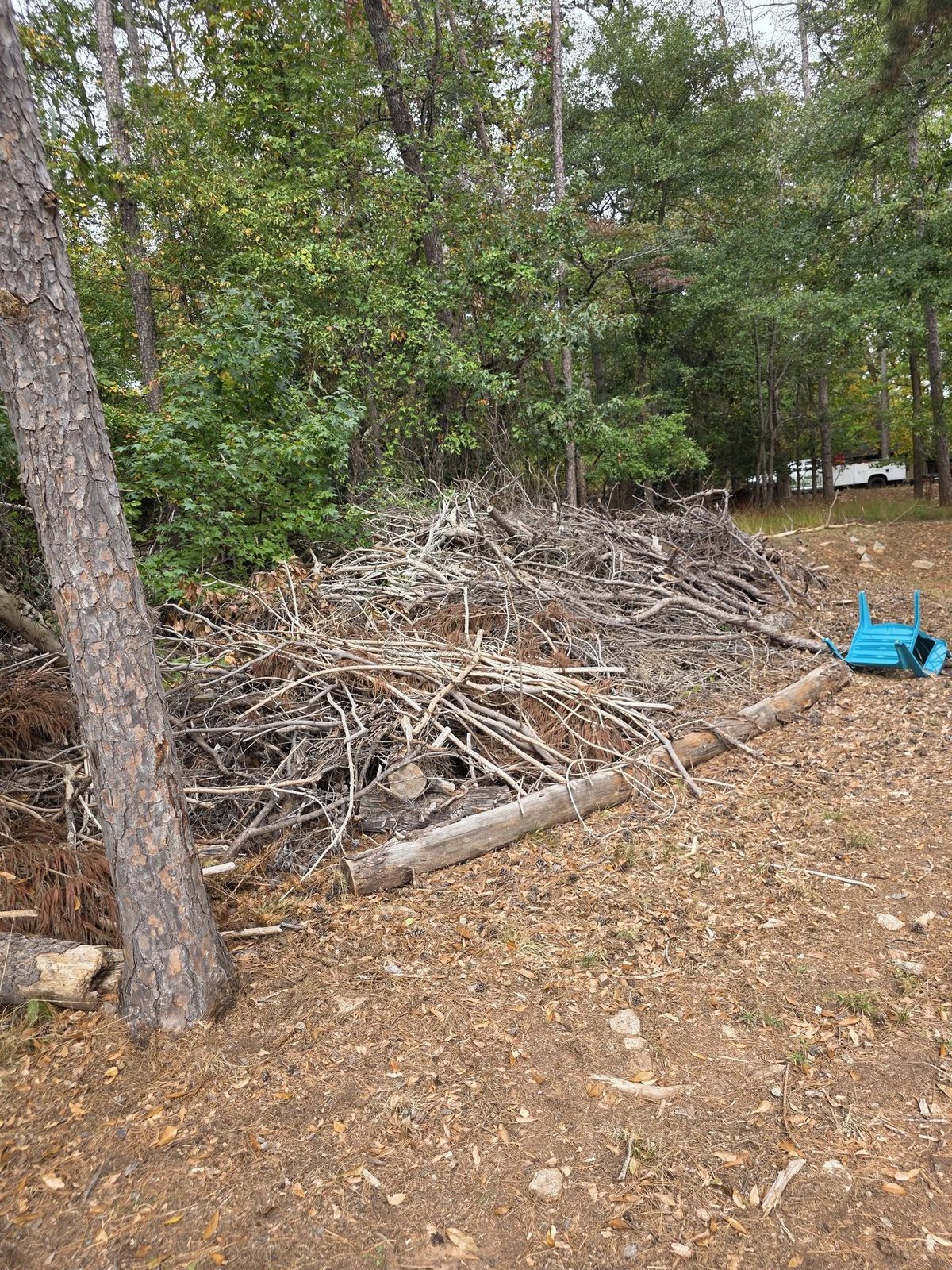
It is important to understand that the lower end of these ranges assumes easy access and no significant obstacles. If your property has a narrow driveway that cannot accommodate a wood chipper or a bucket truck, the crew may need to hand-carry limbs to a staging area, which increases labor time. Additionally, the type of wood matters; Southern pine is lighter and easier to handle than dense live oak, but oak limbs are heavier and more brittle, requiring more careful felling to prevent unexpected snaps. Debris removal is another variable; if you want the yard left broom-clean, that adds to the time and cost compared to leaving the wood in piles for the owner to remove. Always clarify whether the quote includes stump grinding, as this is a separate mechanical process that requires different equipment and time on site.
Permits and property lines
Before any saw touches a tree, you need to know if you have the right to cut it. The City of Greenville and surrounding municipalities have specific ordinances regarding tree removal, particularly for heritage oaks or trees that provide significant stormwater management. If your tree crosses a property line or is near a public easement, a permit may be required to avoid disputes with neighbors. We recommend reviewing the local zoning code or checking with the county planning office before scheduling. For a deeper dive into the paperwork, see our guide on SC tree removal permits, which outlines the common triggers for official approval. In some cases, if the tree is located on a public right-of-way or adjacent to a storm drain inlet, the city may require a replacement tree or a specific planting plan to maintain the canopy cover ratio mandated by local development codes.
Property line disputes are a common source of friction in older neighborhoods where lot lines are not always clearly marked on the ground. If a tree is leaning across a fence line, both parties may have a claim to the branches or the trunk. It is often worth the cost of a simple surveyor visit if the situation is ambiguous, as removing the wrong part of the tree can lead to legal issues or the need to replace the tree at your own expense. Additionally, if your home is in a historic district, there may be additional layers of approval required to ensure that the removal does not negatively impact the character of the streetscape. We work closely with these regulations to ensure that our clients are protected from post-removal fines or neighbor complaints.
Safety near power lines and structures
One of the most common reasons for emergency removal in Greenville is a tree limb touching or rubbing against overhead lines. Duke Energy maintains a specific clearance standard for vegetation near their infrastructure, but homeowners are often responsible for the initial removal if the tree is not a utility-owned line tree. Working near live wires requires specialized equipment and training to prevent arcing or breakage. If you see a tree leaning toward the grid, do not attempt to cut it yourself. The Duke Energy website provides resources on who is responsible for which trees, but the safest route is always a professional assessment. Similarly, when removing trees near historic brick homes common in downtown Greenville, careful rigging is essential to prevent damage to siding or roofing materials. The weight of a falling limb can crack foundation stones or dislodge roof shingles if not controlled with proper rigging lines.
Understanding the distinction between utility-owned and customer-owned trees is critical. Utility companies typically trim branches that interfere with their lines, but they do not usually remove the entire tree unless it is deemed a severe hazard. If the tree is on your property and the branches are touching the lines, it is your responsibility to ensure they are removed safely. This is where professional arborists earn their keep; they can work with the utility to de-energize the line if necessary, or use non-conductive equipment to keep the tree safely away from the grid. Ignoring a rubbing limb can lead to a short circuit, a power outage, or even a fire, making it one of the most cost-effective investments a homeowner can make in property maintenance.
Hiring a crew that knows the terrain
Not all tree services are built for the Upstate. You need a crew that understands the weight of wet Southern pine versus the brittleness of old oak, and how clay soils affect stump removal. Look for a provider that offers a written, itemized estimate after a free on-site visit. This ensures that hidden costs, such as stump grinding or debris hauling, are not surprises. We serve the entire Greenville County area, including Easley, Travelers Rest, and Woodruff, ensuring that local knowledge informs every cut. For more details on what to expect during a visit, read our tree removal service overview or explore the full cost breakdown for different tree species in the region. A local crew knows which streets have low-hanging wires that prevent truck access and which neighborhoods have tight corners that require smaller, more maneuverable equipment. They also understand the local disposal options, ensuring that your wood is hauled to the right facility rather than being left on the property or dumped illegally.
Transparency is key when hiring a tree service. Be wary of companies that give a quote over the phone without seeing the tree, as this often leads to change orders once the crew arrives and sees the complexity. A reputable provider will walk the property, identify all hazards, and explain the process in plain language. They should also be able to answer questions about their insurance, liability coverage, and experience with similar properties in the Greenville area. By choosing a team that values communication and local expertise, you ensure that the removal is not just a transaction, but a safe and efficient process that protects your home and landscape for years to come.