Why Easley trees fail differently
Easley sits on some of the most constrained residential lots in Pickens County. Unlike the expansive acreage found further up the Blue Ridge Parkway, homes here were often built on smaller parcels where mature oaks and maples were already established before the driveway was poured. This creates a unique challenge: trees that are structurally sound but positionally dangerous. A crack in a limb that hangs over a 1990s roof is a different risk profile than the same crack in a rural setting. The terrain, which slopes gently from the mountains toward the Greenville valley, also means root systems are often shallow and exposed by erosion after heavy rains, making trees more susceptible to tipping during wind events. Many neighborhoods in Easley feature mature live oaks with wide, low canopies that were planted decades ago. These trees provide beautiful shade but create a constant tension with modern infrastructure. When the root plate is compromised by the compacted soil of a narrow yard, the tree becomes a lever. In a flat, open field, a leaning tree is often just a nuisance. In Easley, a leaning tree is a potential structural threat to the house next door. The proximity of structures to the tree line is the defining factor that changes the job from a simple felling operation to a precision rigging exercise.
The Easley price picture
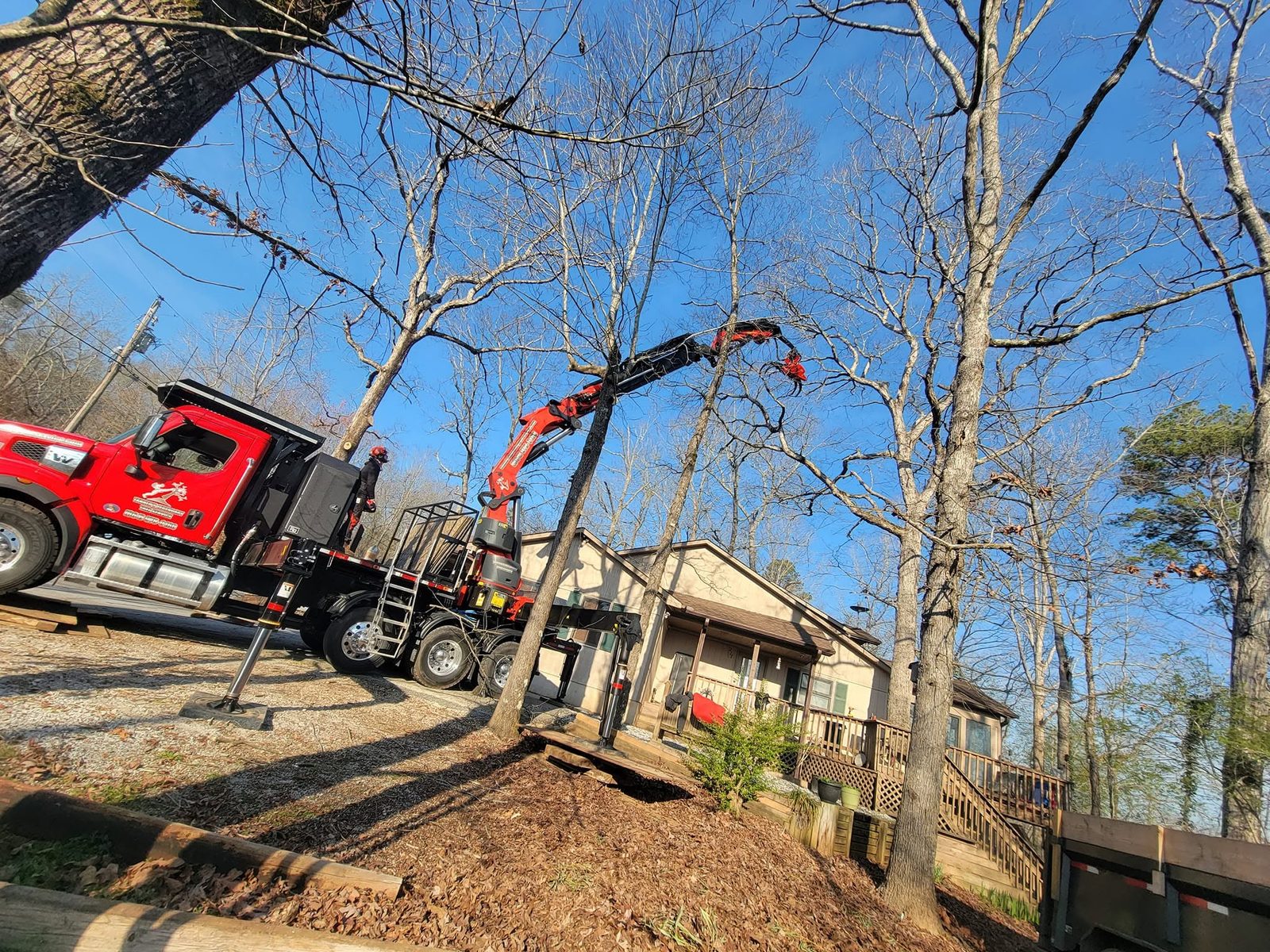
Costs in this area reflect the complexity of working in tight quarters. See the full tree removal cost guide for a broader state view, but local jobs typically fall within the $300 to $2,000 range. Small to medium trees (under 30 feet) with clear access usually sit at the lower end. However, if the tree is large (over 60 feet), leaning toward a structure, or requires a crane because there is no space to section it down, the price moves toward the top of the band or beyond. Never accept a bid that does not specify whether stump grinding and debris chipping are included; in Easley, hauling away debris is a significant line item because many driveways are too narrow for large chipper trucks to park directly under the canopy. The following table outlines typical scopes and their associated price ranges for the Easley market.
| Scope of Work | Typical Price Range |
|---|---|
| Small tree removal (under 30 ft, clear access) | $300 - $600 |
| Medium tree removal (30-60 ft, standard access) | $600 - $1,200 |
| Large tree removal (60+ ft, tight quarters) | $1,200 - $2,000 |
| Hazardous or leaning tree removal | $1,500 - $3,000+ |
| Stump grinding (per stump) | $150 - $400 |
These figures represent the labor and equipment costs specific to the Upstate SC terrain. A quote that falls significantly below the lower end of these bands often indicates that the crew is assuming a simpler access profile than what exists on your property. Conversely, a quote near the top of the range for a standard tree suggests the crew is accounting for significant rigging or debris management challenges. Understanding these variables helps you evaluate whether a bid aligns with the actual conditions of your yard.
Storm history and structural integrity
The federal disaster record highlights how frequently weather impacts this region: 23 declared events touch this county (2005-2026), with a significant portion involving severe thunderstorms and high winds. These events do not just break branches; they expose pre-existing weaknesses in the root plate or trunk. When a tree has survived multiple storms, it may appear healthy from the street but have internal decay that only a professional inspection can reveal. The Clemson Cooperative Extension emphasizes that visual assessment is critical for determining if a tree is a hazard before the next high-wind event. Ignoring these subtle signs can turn a manageable pruning job into an emergency removal. The National Weather Service often issues wind advisories for the Upstate during late spring and early summer, periods when the canopy is fully leafed out and wind resistance is at its peak. In Easley, the combination of mature hardwoods and occasional high-wind events means that trees are under constant stress. A tree that has been damaged by a previous storm may have developed a weak union or a crack that is not visible from the ground. This hidden damage can cause the tree to fail suddenly, often without warning. Regular inspections, particularly after major weather events, are essential for maintaining the safety of properties in this area. The goal is not to remove every damaged tree, but to identify those that are no longer structurally sound and pose a risk to the structures around them.
Hiring well in this market
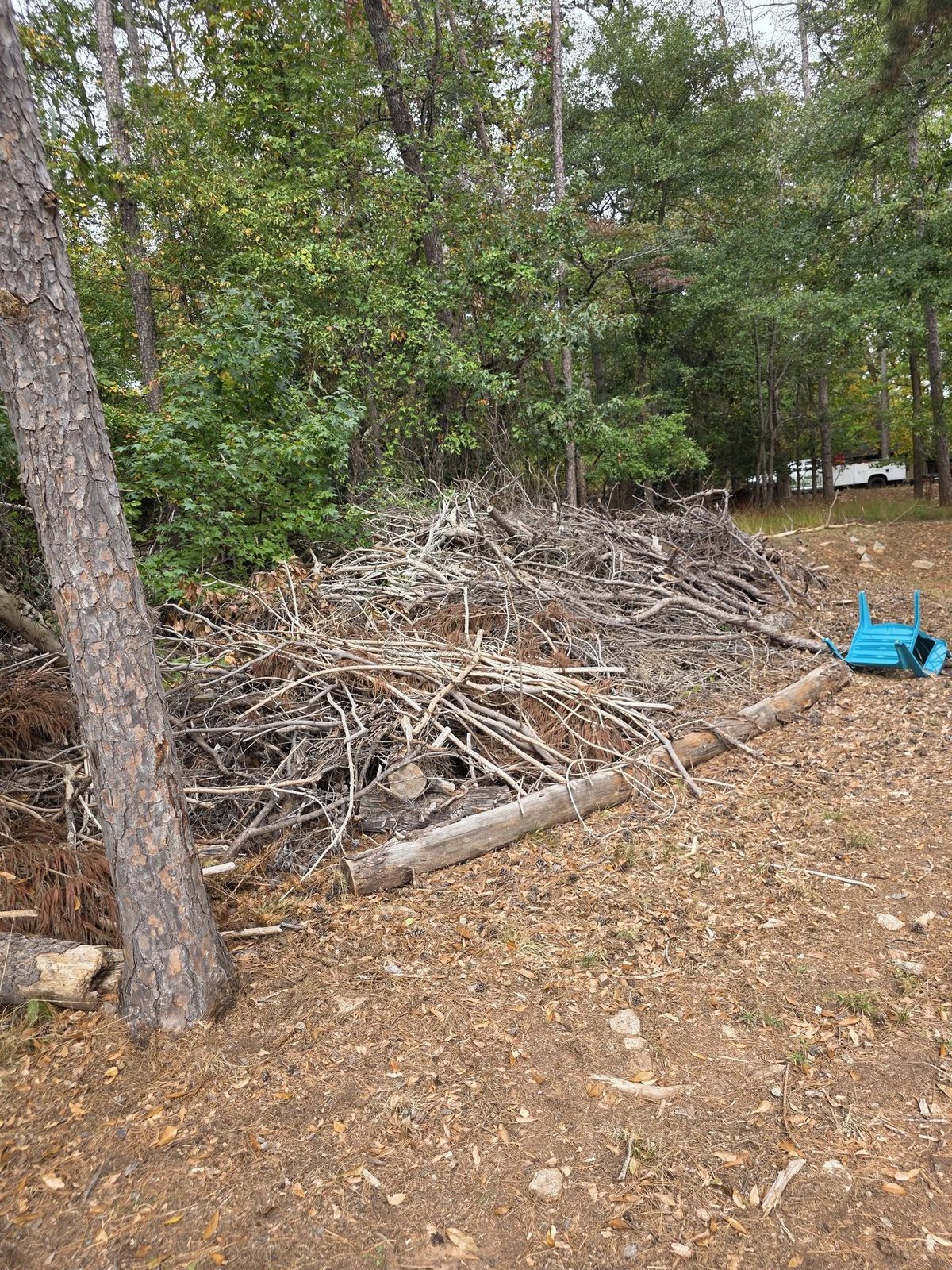
Three specific checks for Easley residents: First, ask if the crew has experience with tight residential lots, where backing a truck into a neighbor’s yard is a liability. Second, verify their insurance covers property damage, as the International Code Council standards for arboriculture suggest rigorous safety protocols for overhead work. Third, ask about their policy for power lines; if the tree is near Duke Energy lines, the Duke Energy guidelines often require certified arborists to handle the clearance to prevent outages. When you are ready to proceed, the South Carolina permit guide clarifies when you need local approval from the Pickens County or the City of Greenville (for adjacent jurisdictions) before cutting. It is also wise to ask about the crew's method for debris removal. In Easley, many homeowners prefer that all chips and branches are hauled away, leaving the yard clean. However, some crews may leave the chips in the yard for you to spread as mulch, which can save on hauling costs but requires you to have the space and time to manage the material. Clarifying these details before the job begins prevents misunderstandings and ensures that the final result matches your expectations. A reputable crew will be transparent about their process and will explain the reasoning behind their recommended approach.
Beyond the cut: post-removal considerations
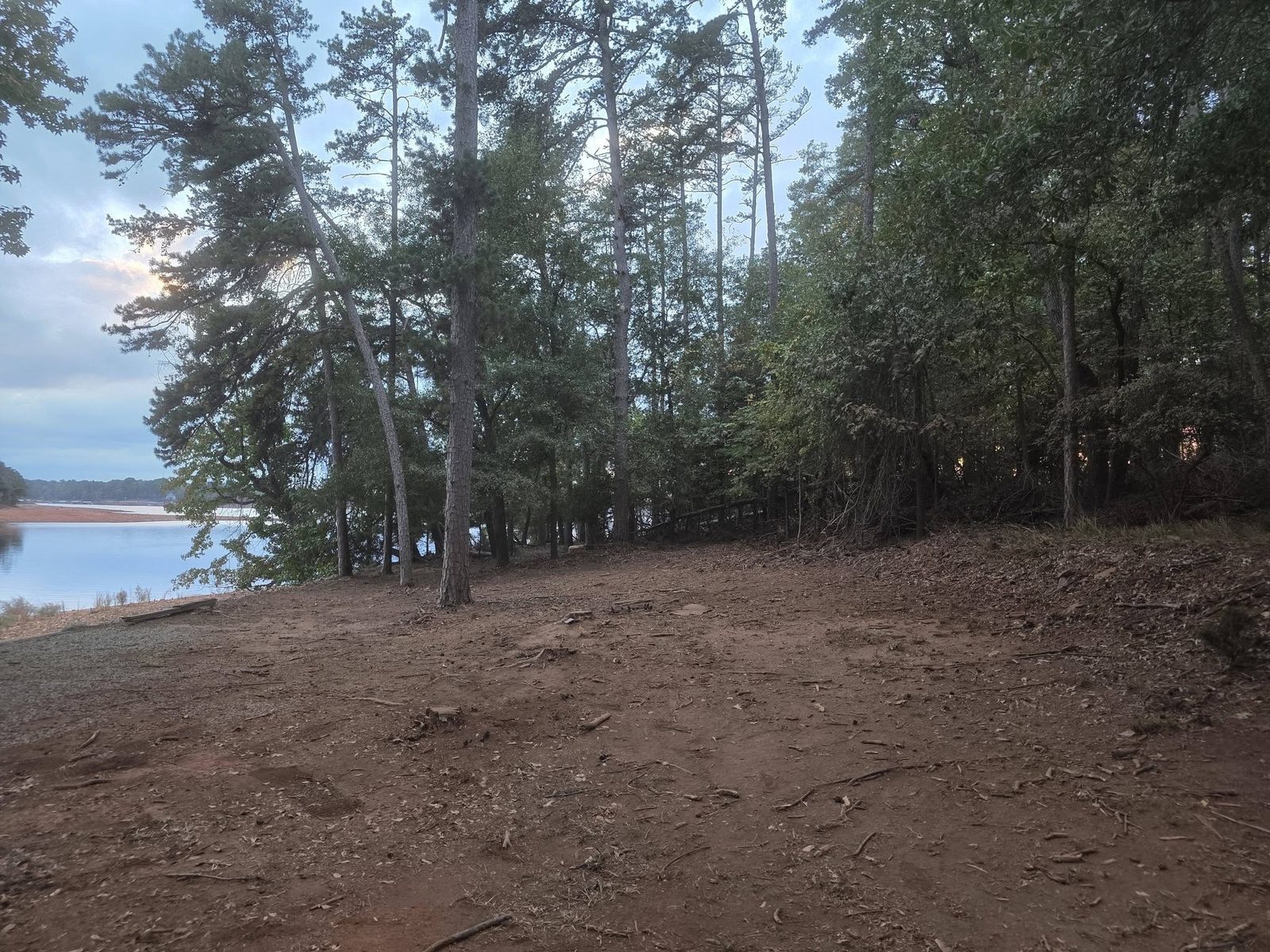
Tree removal is not the end of the process; it is the beginning of a new phase for your landscape. Once the tree is gone, the space it occupied becomes available for other uses, but the soil and root system require attention. Stump grinding is often the next step, but it is important to understand what is involved. Grinding removes the visible portion of the stump and some of the larger roots, but it does not remove the entire root system. This is usually fine for most purposes, but if you plan to build a structure in the same spot, you may need to consider the remaining roots. The Environmental Protection Agency notes that proper tree management, including removal, can help maintain the health of local ecosystems by preventing the spread of diseases and pests. In Easley, where many neighborhoods are connected by shared green spaces, the health of individual trees can have a broader impact on the community. By working with a local crew that understands the specific conditions of Easley, you can ensure that your tree removal is done in a way that is safe, efficient, and respectful of the surrounding environment. The final step is to review the work with the crew, ensuring that all debris has been removed and that the yard is left in the agreed-upon condition. This final check is an opportunity to address any remaining questions and to establish a relationship with the crew for future maintenance needs.