The Mountain Slope Factor in Pickens County
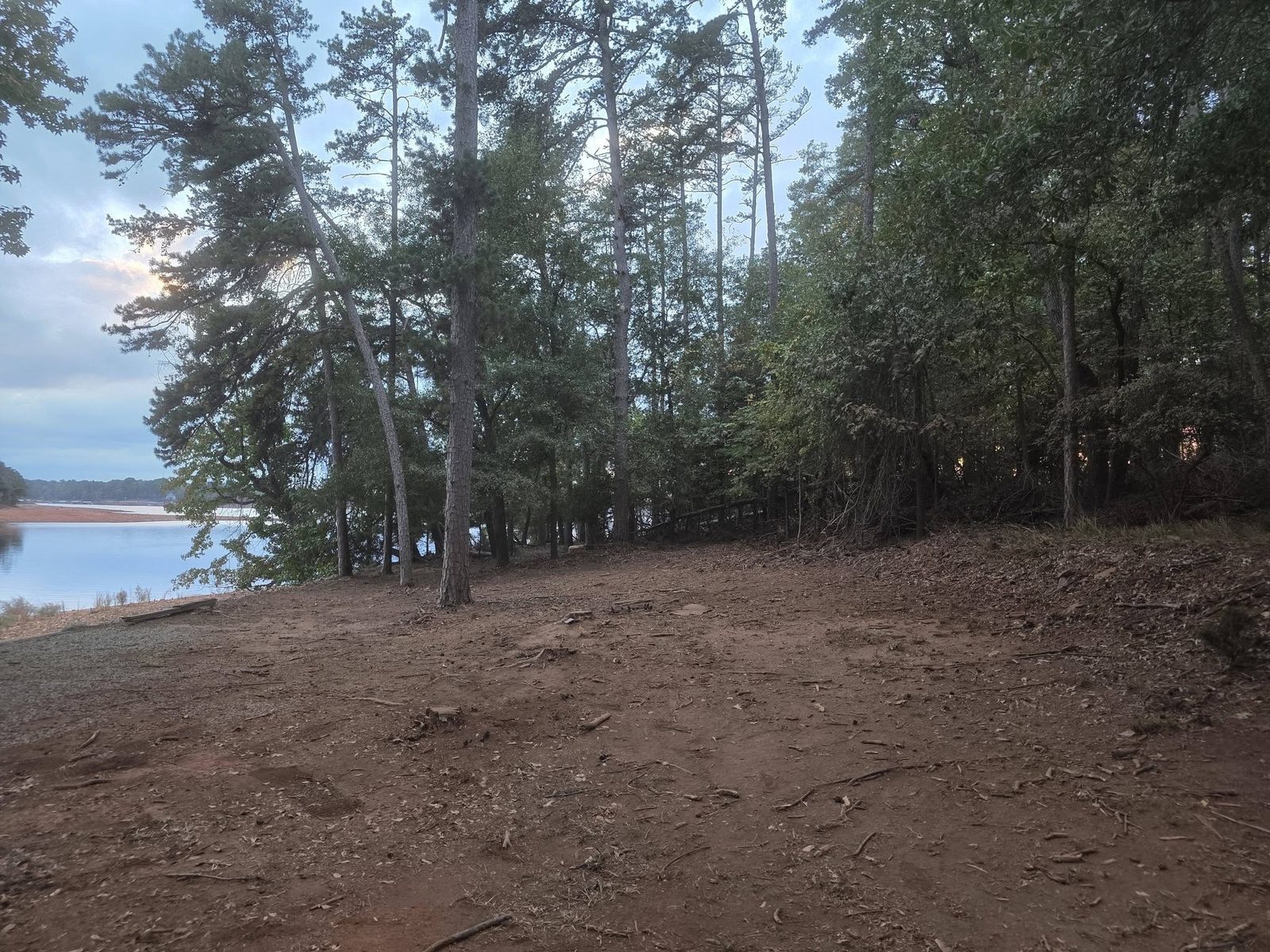
Living in Pickens County means dealing with terrain that is often steep, rocky, and densely forested. Unlike flatter suburban areas, your tree removal job is rarely just about the tree; it is about the slope. If you are in a neighborhood like those surrounding Greenville or within the county’s rural tracts, the angle of the land dictates the method. A tree falling downhill toward a neighbor’s roof or a steep bank requires rigging and careful directional felling, which impacts both the permit requirements and the final price. The Pickens County planning office primarily focuses on land disturbance and drainage, so while a simple prune might not need a permit, a large removal that alters the grade or involves heavy machinery near the road edge often triggers a review. This is why local knowledge matters more than generic online advice.
Consider the specific challenges of the foothills near Travelers Rest or the wooded lots in the western part of the county. Here, the ground is rarely flat. If a tree is located on a 30-degree incline, a standard felling technique is dangerous because the tree may slide or kick back toward the operator. In these cases, crews must use ropes and winches to control the fall, a process that takes longer and requires more specialized equipment. This complexity often leads homeowners to assume a permit is needed for the 'heavy work,' but the permit is usually tied to the location (right-of-way or protected area) rather than the difficulty of the cut. However, if the removal process involves moving a stump grinder or a skid steer across a lawn that acts as a natural drainage path, the county may ask for a simple land disturbance permit to ensure water still flows correctly to the street or storm drain. Always walk the site with your arborist to identify these drainage paths before they start cutting.
Permit Matrix: What Actually Requires Paperwork
Many homeowners assume they need a permit for any tree cut. In reality, the requirement depends on the tree’s status and location. Here is the practical breakdown for the Greenville/Pickens area:
| Scenario | Permit Required? |
|---|---|
| Standard residential tree (no protection status) | Generally No |
| Tree within 10-15 ft of property line | Often Yes (Neighbor consent or boundary survey) |
| Tree on public right-of-way (street tree) | Yes (City/County approval) |
| Heritage or protected species (e.g., certain oaks) | Yes (Check local ordinance) |
| Removal involving heavy equipment on slope | May trigger land disturbance review |
It is crucial to distinguish between a 'building permit' and a 'right-of-way permit.' If your tree is entirely on your private lot, you rarely need a building permit. However, if the tree is a street tree planted by the county or city, or if you need to place a crane or bucket truck on the paved road to reach it, you are working in public space. In Greenville, the City of Greenville has specific ordinances regarding street trees that must be followed. Cutting a street tree without approval can result in a fine or a requirement to replace it with a similar species. Similarly, if your property is in a historic district or a specific planned development with covenants, there may be additional layers of approval required before any tree over a certain diameter is removed. Check your deed or contact your homeowners association to see if there are any 'arborist' or 'tree preservation' covenants that override general county rules.
Duke Energy and the Power Line Rule
In this region, the most common 'permit' is actually a utility clearance. Duke Energy manages the power lines that crisscross the Upstate. If a tree is touching or near high-voltage lines, you cannot simply climb it. You need a utility clearance or a specific work order. This is a safety rule, not just a bureaucratic one. If you are hiring a crew, ask them if they are insured for work near lines. If you are DIYing, stop and call Duke. They may trim it themselves for free if it is a maintenance issue, or they may require a licensed arborist for the final clearance. Ignoring this step can lead to outages, sparks, or liability issues if something goes wrong during the cut.
The Upstate has a high density of mature hardwoods, which grow tall and fast, often reaching into the power lines within a few years of planting or natural growth. Duke Energy typically requires a clearance of 10 to 15 feet from high-voltage lines for safety. If a tree is within this zone, the utility has the right to trim it, but they often prefer to hire a licensed contractor to do the work if the tree is large or complex. For homeowners, the key is communication. If you are planning a large removal near lines, call Duke Energy first to get a 'vegetation management' assessment. They will tell you if the tree is in their clearance zone. If it is, they may issue a work order that specifies exactly how much of the tree needs to be removed. This document serves as your 'permit' for the utility portion of the job. If you hire a contractor, provide them with this work order so they can plan their approach. Without it, the crew might cut more than necessary, or worse, cut less, leaving the tree still in the danger zone and risking a future outage during a storm.
Costs in the Upstate: What to Expect
Tree removal costs in Pickens County vary widely due to access difficulties. A small, accessible tree might cost a few hundred dollars, while a large pine or oak on a steep slope can push the price higher. The following table outlines typical regional ranges. These are estimates based on standard market rates for the Greenville area, not fixed quotes.
| Tree Size/Type | Typical Cost Range |
|---|---|
| Small (under 30 ft, easy access) | $300 - $700 |
| Medium (30-60 ft, standard access) | $700 - $1,500 |
| Large (60-80+ ft, complex rigging) | $1,500 - $2,500+ |
| Emergency Storm Damage | $500 - $3,000 (varies by debris) |
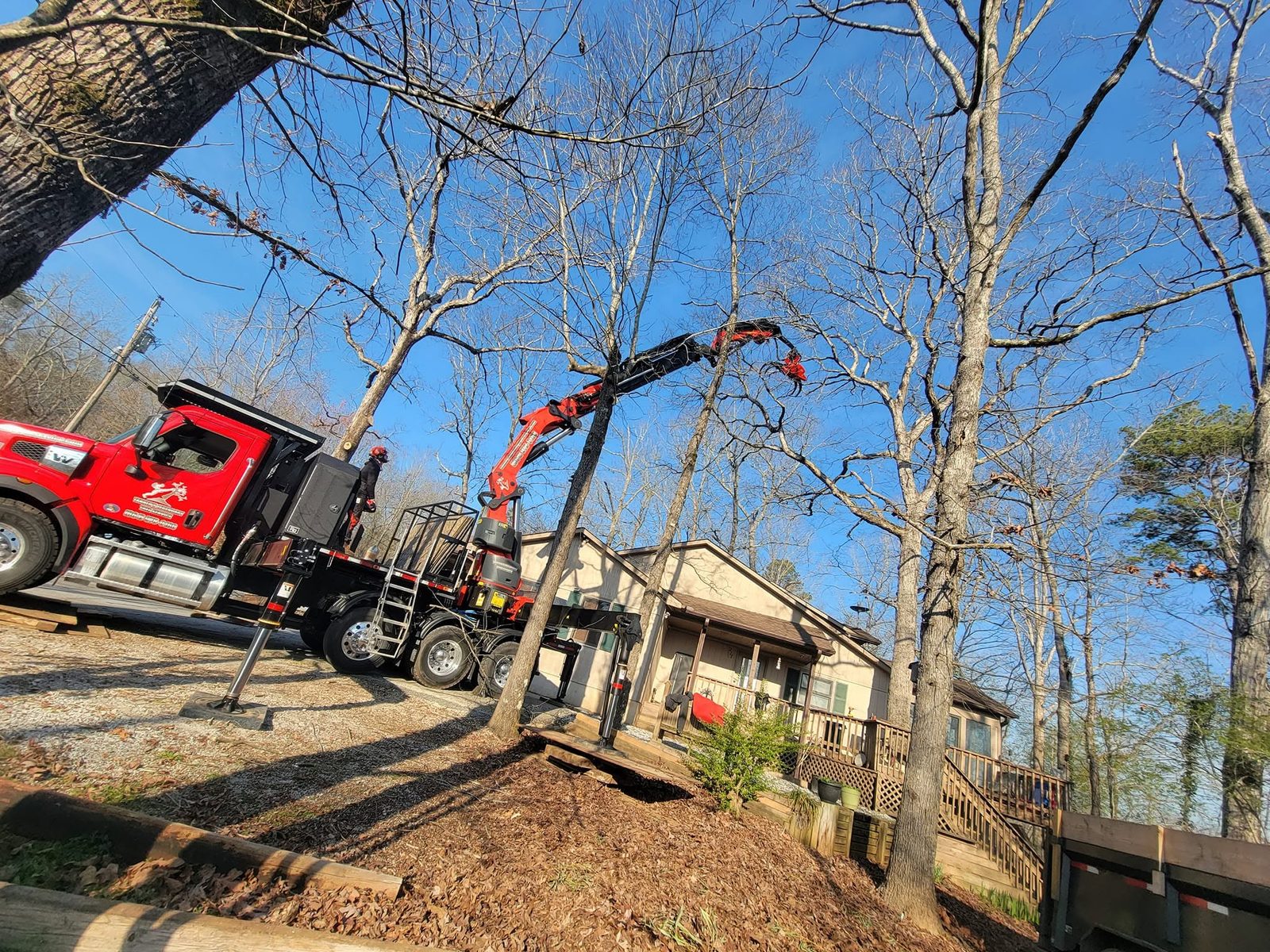
For a more detailed breakdown of what drives these prices, see our cost guide. If you are in the adjacent Easley area, terrain and municipal rules can differ slightly, so check our Easley page for specific local notes. Always get at least two quotes, and ensure they include a site visit. A quote given over the phone without seeing the slope is a guess, not a plan. In Pickens County, access is the biggest cost driver. If the tree is in the backyard with a steep drop-off to a creek or ravine, the crew may need to use a crane or a bucket truck to lift the wood out, which adds significant time and equipment costs. Conversely, if the tree is in a flat, open yard, the job is faster and cheaper. Be wary of quotes that seem too low; they may not account for the difficulty of getting the wood off the property. Ask specifically about 'debris hauling' and 'stump grinding' in the quote to avoid surprise fees later.
Storm Season and the NWS Connection
The Upstate is no stranger to severe weather. The National Weather Service monitors the region closely, and Pickens County has seen 23 federal disaster declarations spanning 2005-2026. This history means that after major storms, you may find yourself dealing with fallen trees or hazardous limbs. In these cases, permit rules can sometimes be relaxed for immediate safety, but insurance claims require documentation. If you are removing a tree due to storm damage, take photos before, during, and after. Keep the crew’s invoice. If the tree was leaning heavily before the storm and you suspect pre-existing rot, the Clemson Cooperative Extension can provide guidance on identifying structural weaknesses that might affect your insurance claim. Do not let a tree fall on a roof without documenting the condition beforehand.
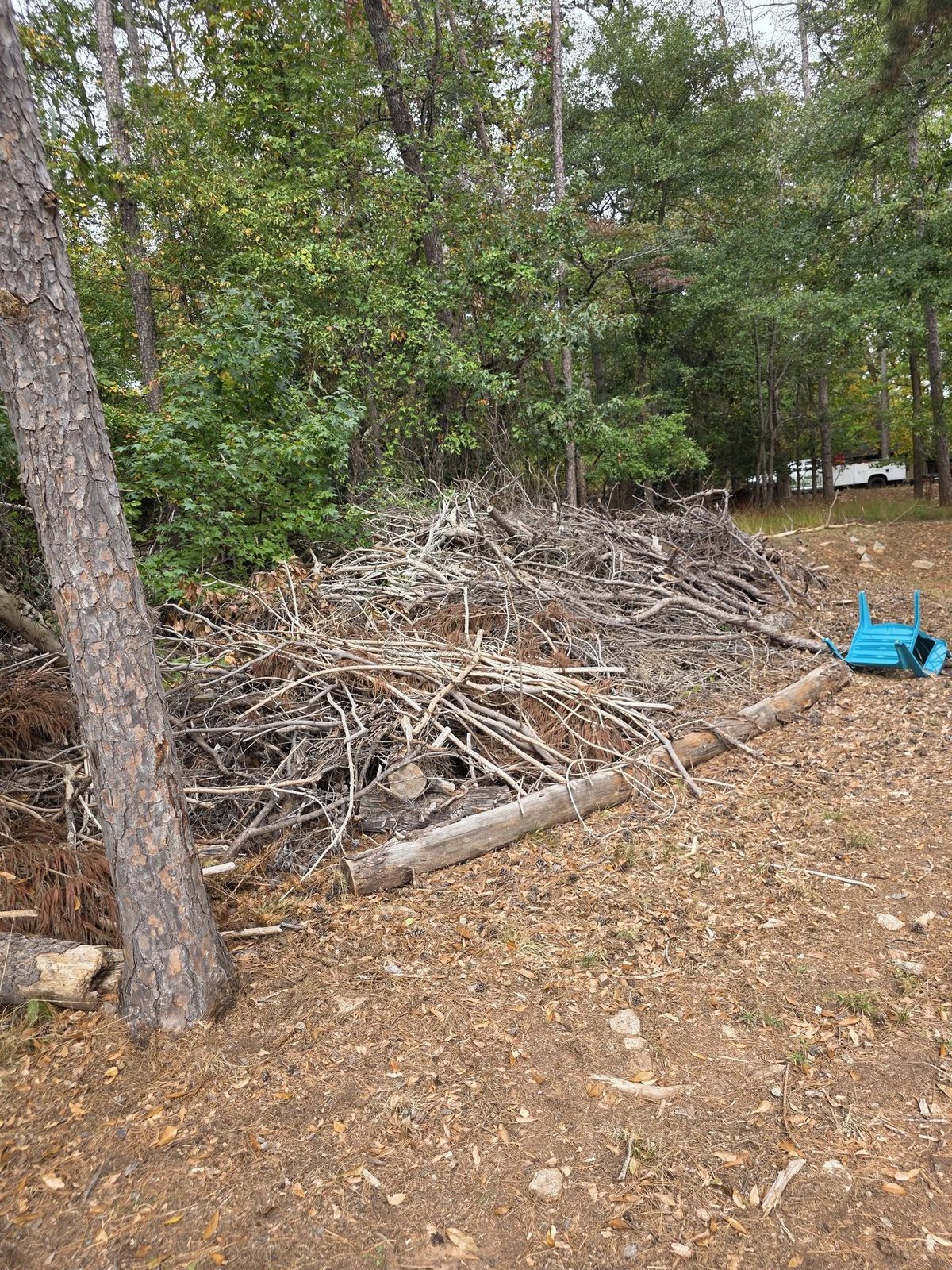
Storm debris is a major issue in the Upstate, particularly during the spring and early summer months when thunderstorms are most frequent. The weight of wet leaves and branches can cause weak limbs to snap, creating hazards even if the main trunk remains standing. If a tree falls on your property after a storm, you are generally responsible for the removal, but if it falls on your neighbor's property or a public right-of-way, the rules may differ. In emergency situations, such as a tree blocking a driveway or threatening a house, most insurance policies will cover the removal cost, but you must prove that the tree was damaged by the storm and not just old age. This is where documentation becomes critical. Take clear photos of the broken branches, the direction of the fall, and any visible damage to your home. If the tree was already leaning or had visible cracks, your insurance adjuster might argue that the tree was 'pre-existing' and therefore not covered. An arborist’s report can help clarify whether the storm was the primary cause of the failure. For more on managing storm damage, visit our tree removal page for general best practices and safety tips.