Why Pickens County terrain drives the price
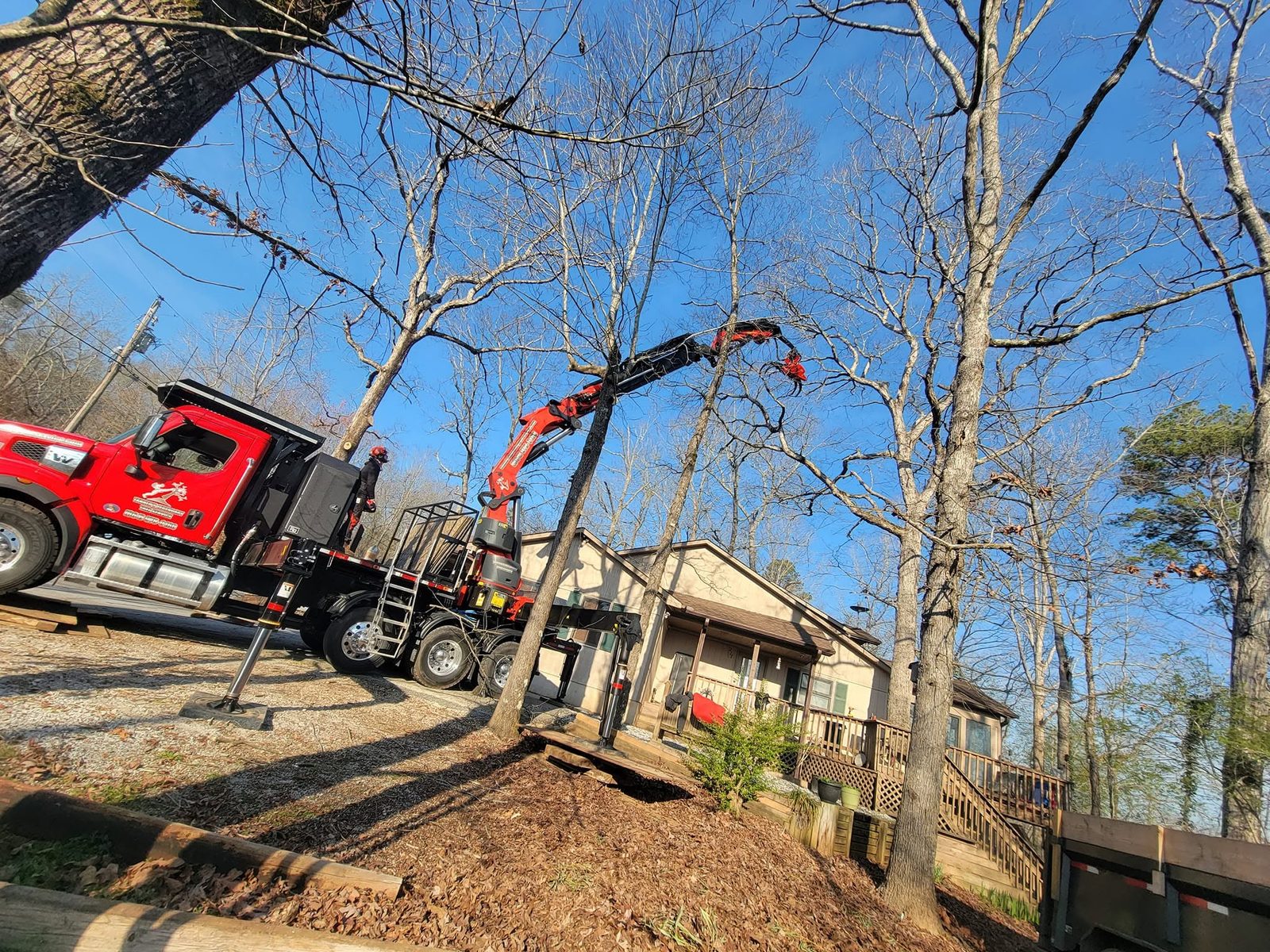
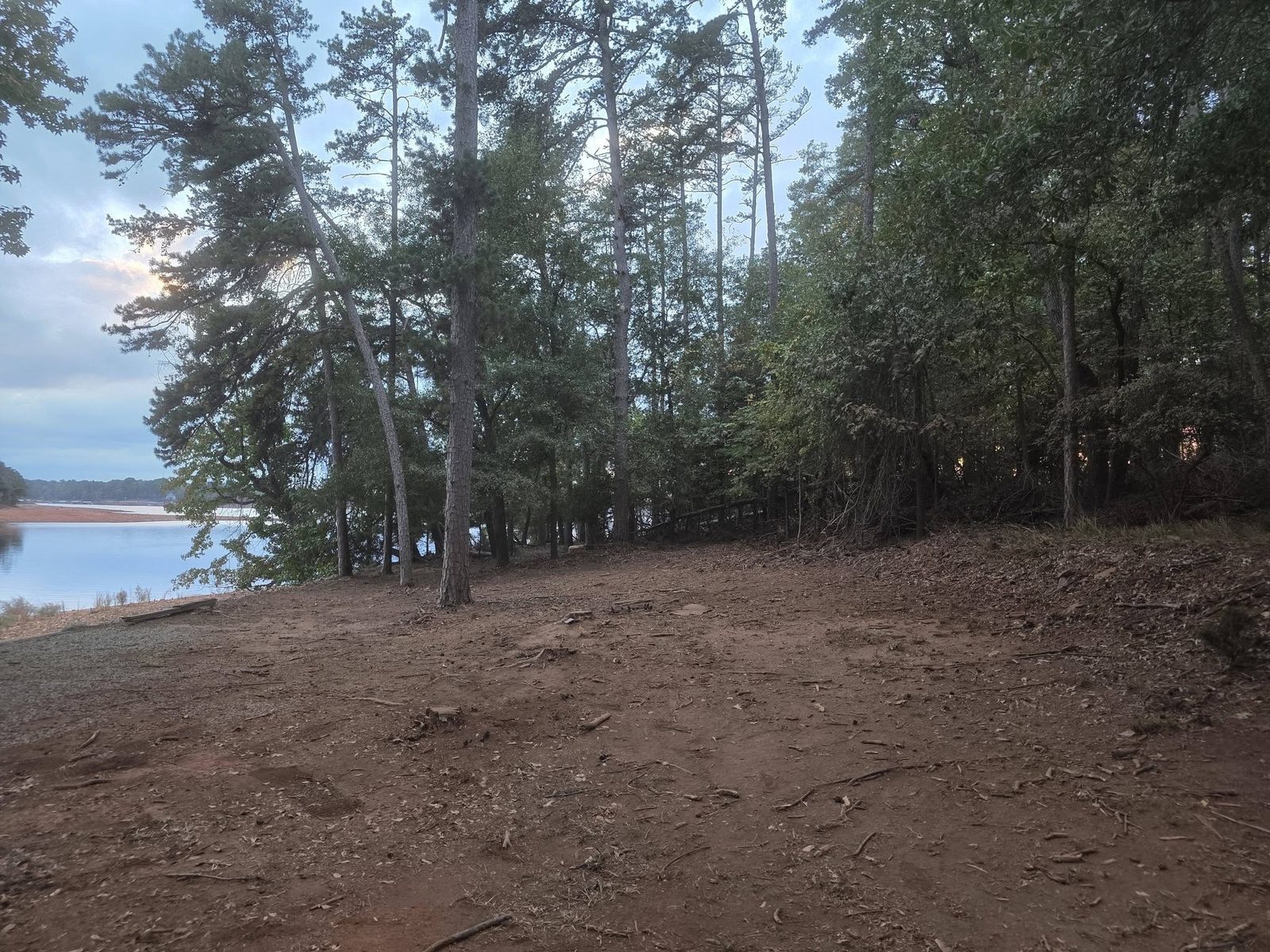
Tree work in the Upstate does not price like flat Piedmont lots. Pickens County and the surrounding Greenville area feature steep, wooded slopes where access is often limited to a single driveway or a narrow cut through the woods. A tree on a flat lawn in another state might take a crew two hours; here, the same tree could take a full day simply to rig the ropes and manage the debris chute. The primary cost driver is not the saw, but the logistics of getting heavy wood off a slope without damaging the yard or neighbor's property. This complexity is why standard national averages often underestimate local quotes. In areas near the Blue Ridge foothills, the ground is often rocky and uneven, meaning skidders or chippers cannot always be driven right up to the base of the tree. Crews must often hand-carry equipment or use pulley systems to lower limbs safely. This manual labor adds hours to the job, which is reflected in the final invoice. Additionally, the dense canopy of mature hardwoods in this region means that removing one tree often involves navigating a complex network of interlocking branches. Unlike the more open landscapes of the Lowcountry, Upstate properties are frequently bordered by dense tree lines, requiring extra care to prevent damage to adjacent vegetation. This local reality means that a "standard" removal here is rarely standard in terms of labor hours.
Typical cost ranges for Upstate SC jobs
While every site is unique, most residential removals in this region fall into specific bands based on height, species, and risk. The following table reflects honest working ranges for the Upstate market, accounting for the local terrain and common species like live oak, red maple, and sycamore.
| Tree Type / Condition | Typical Range | Key Cost Drivers |
|---|---|---|
| Small tree (under 30 ft) | $300 – $750 | Species, stump grinding option, access ease |
| Medium tree (30–60 ft) | $750 – $1,500 | Climbing time, rigging complexity, debris volume |
| Large tree (60–80+ ft) | $1,500 – $2,000 | Crane potential, multiple climbers, heavy hardwood weight |
| Emergency / Hazardous | $2,000 – $3,000+ | Urgency, leaning, proximity to roof, after-hours labor |
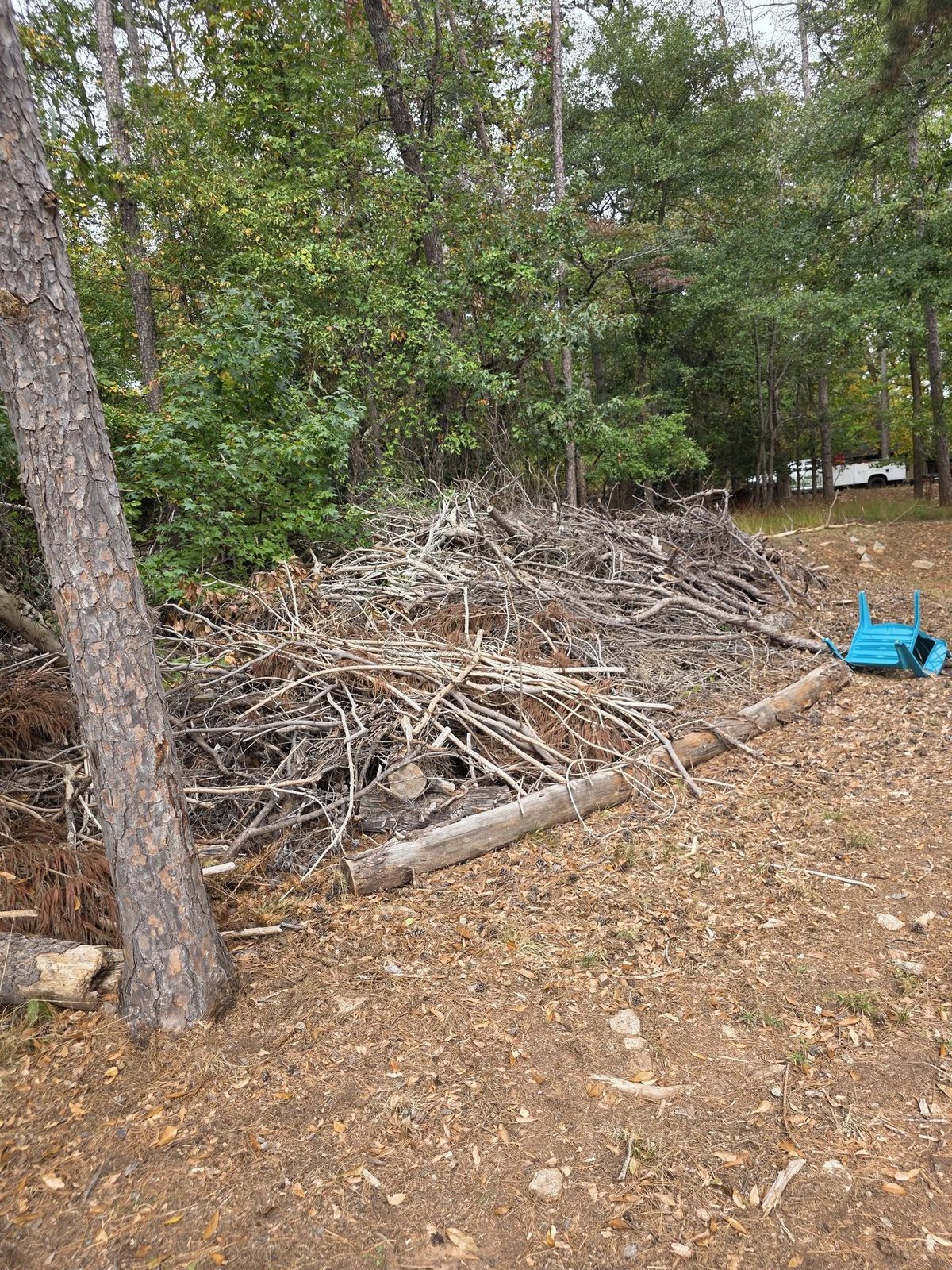
These figures assume standard removal with chip and haul. If you require a crane for a tight spot, that is an additional line item that can add $500 to $1,500 depending on setup time and lift requirements. It is important to note that live oaks, which are ubiquitous in the Upstate, are particularly heavy and dense. A live oak of the same height as a pine or maple will weigh significantly more, requiring more effort to dismantle and move. This density also affects the chipping process, as hardwoods clog chipper screens more frequently than softwoods, potentially increasing labor time. Furthermore, if the tree is located on a slope, the cost of debris removal can double. Chipping on a flat lot is straightforward, but on a hill, the crew must manage the flow of wood to prevent it from sliding back down or blocking the path. This logistical challenge is a key reason why quotes in Pickens County vary so widely between neighboring properties.
Storm history and insurance considerations
The Upstate sees a significant number of severe weather events. The National Weather Service tracks numerous tornadoes and wind events in this region, and locally, 23 federally declared disaster events have touched this area between 2005-2026, many involving wind and flood. This history matters for two reasons: first, it normalizes the need for proactive removal of weak or co-dominant trees before a storm arrives; second, it affects insurance. If a tree falls due to a covered peril (like a named storm), insurance may cover removal. If it falls due to age or disease, it is typically a maintenance cost. Always check your policy’s language on "landscaping and trees" before assuming coverage. In Pickens County, the combination of high winds and saturated soil during spring and fall can make trees more susceptible to uprooting. The root systems of many older trees in this area have been compromised by previous floods or changes in water drainage, making them less stable than they appear. Homeowners should be aware that insurance companies often have a "wear and tear" exclusion, which means that if a tree was already leaning or showing signs of decay before the storm, the claim might be denied. This is why having a documented inspection prior to a storm season can be beneficial. Additionally, the proximity of many Upstate homes to wooded ravines means that debris from a fallen tree can block waterways, leading to secondary damage like basement flooding. This cascading effect can significantly increase the total cost of a storm event, making proactive tree maintenance a critical part of property management in this region.
Permits, power lines, and local codes
Before a tree comes down, you must check two things: permits and power lines. In Greenville and Pickens County, large trees near property lines or in certain historic districts may require a permit from the City of Greenville or the Pickens County planning department. More critically, if the tree is within 15 feet of a power line, Duke Energy has specific rules. You cannot touch the tree yourself if it touches the lines; Duke Energy handles the trimming or removal for free if it is their responsibility. For residential removals, ensuring the crew follows safety standards outlined by the International Code Council helps protect your liability in case of property damage during the job. In unincorporated parts of Pickens County, the rules can be less formal, but they are still important. If you are removing a tree that serves as a buffer between your property and a neighbor's, it is wise to have a written agreement or a clear understanding of where the trunk is located. This prevents disputes over where the debris is dropped or who is responsible for cleaning up the root ball. Furthermore, if the tree is part of a historic district, the aesthetic impact of its removal may be scrutinized. The City of Greenville has specific guidelines for maintaining the character of these areas, and removing a large, mature tree without approval could lead to fines or required replanting. Understanding these local nuances can save you time and money during the removal process.
How to get an accurate estimate
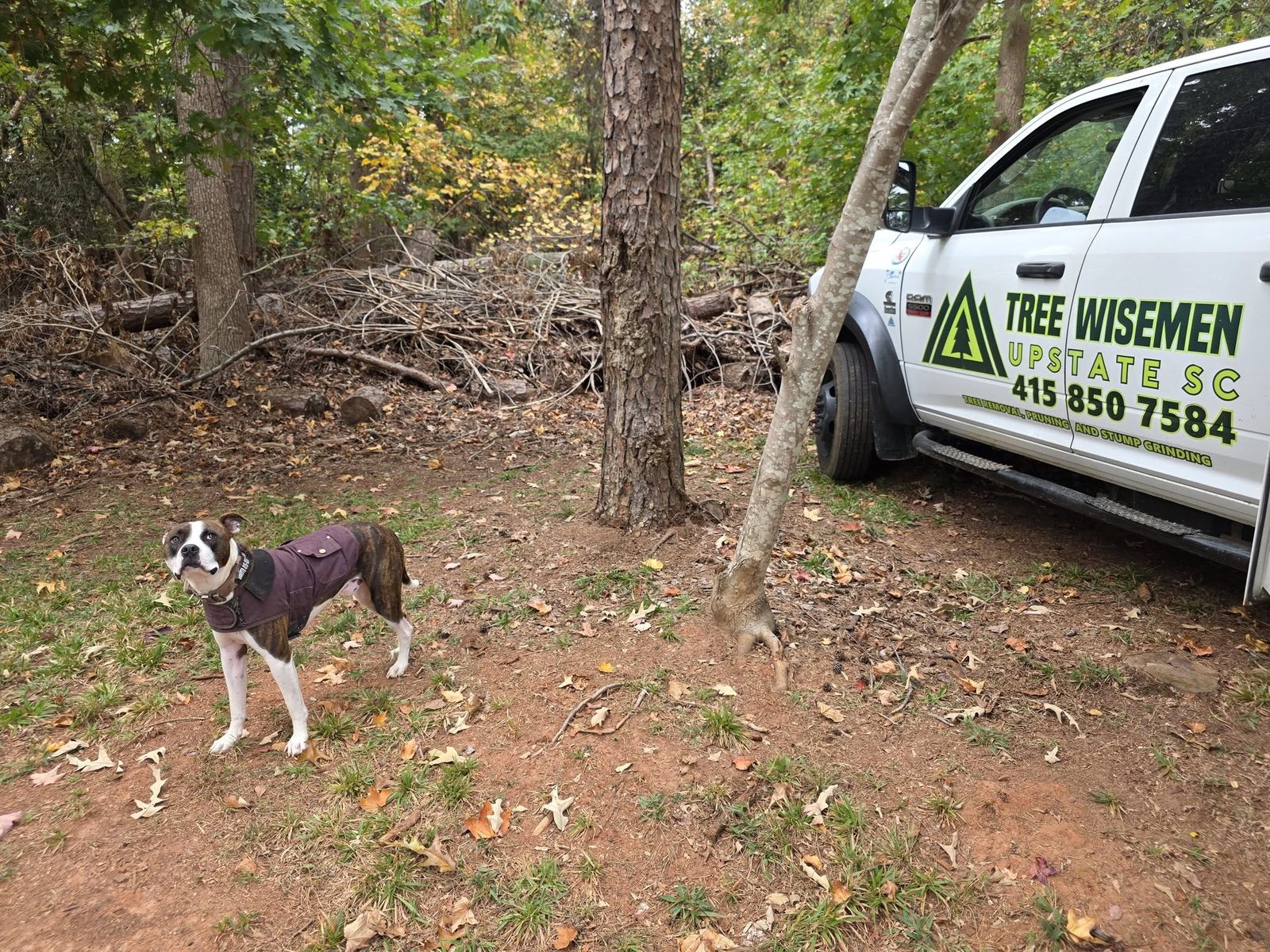
Because terrain varies so wildly from one lot to the next, a phone quote is often a guess. A proper estimate requires a site visit. When comparing bids, look for these three details: 1) Does the price include stump grinding? 2) Is the debris haul included, or will you need to chip it yourself? 3) Is there a separate fee for crane setup if needed? Our tree removal guide breaks down the process, and you can see how removal in Easley compares to other towns. If you are unsure about local rules, our permit guide clarifies when you need official approval. Tree Wisemen provides free estimates within 50 miles of Easley, so you can get a firm number before committing to a crew. During the site visit, a professional will assess the tree's health, the direction of its lean, and the available space for equipment. They will also identify any hidden hazards, such as underground utilities or fragile landscaping that needs protection. This thorough assessment allows for a precise quote that reflects the actual work required. It is also a good time to discuss your preferences for stump removal. Some homeowners prefer to grind the stump and fill it with soil, while others may want to leave it in place to use as a garden feature. Clarifying these details upfront ensures that the final bill matches your expectations. Additionally, ask about the crew's experience with the specific species of your tree. A crew that specializes in hardwoods will have different techniques and equipment than one that primarily works with pines, and this expertise can make a significant difference in the efficiency and safety of the job.